Overview
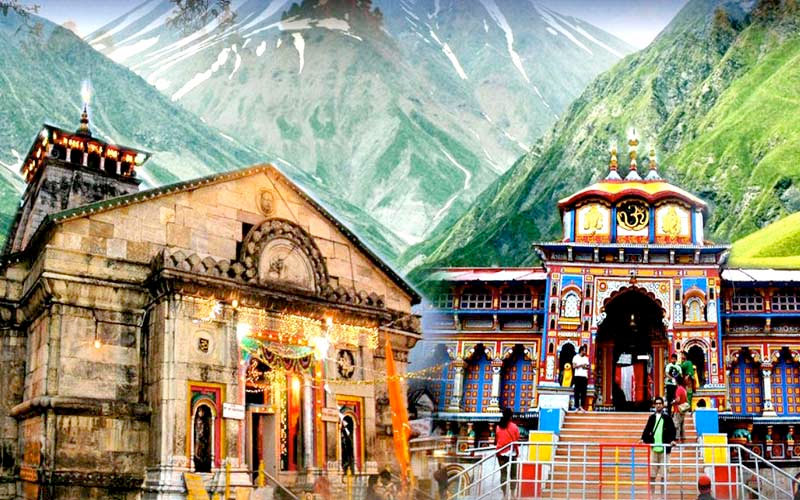
Uttarakhand, renowned as Devbhoomi or the Land of Gods, attracts devotees throughout the year with its plethora of temples. Among the numerous religious sites and circuits in Uttarakhand, one stands out prominently—the Char Dham Yatra. This pilgrimage entails visiting four holy sites: Yamunotri, Gangotri, Kedarnath, and Badrinath, nestled in the lofty Himalayas.
These high-altitude temples remain closed for approximately six months each year, opening during the summer (April or May) and closing with the onset of winter (October or November). Tradition dictates that the Char Dham Yatra should be undertaken in a clockwise direction, commencing at Yamunotri, progressing to Gangotri, then Kedarnath, and concluding at Badrinath.
The Chardham Yatra By Helicopter offers the utmost convenience when it comes to reaching Uttarakhand. This modern and efficient mode of travel is perfect for those seeking a quick trip or dealing with health issues or tight schedules. By opting for the helicopter tour, you can effortlessly explore the revered Char-dham destinations without any travel-related hassles. It's a contemporary way to experience the sacred sites, tailored to meet the needs and preferences of modern-day travelers. Enjoy a seamless journey and make the most of your visit with ease and comfort.
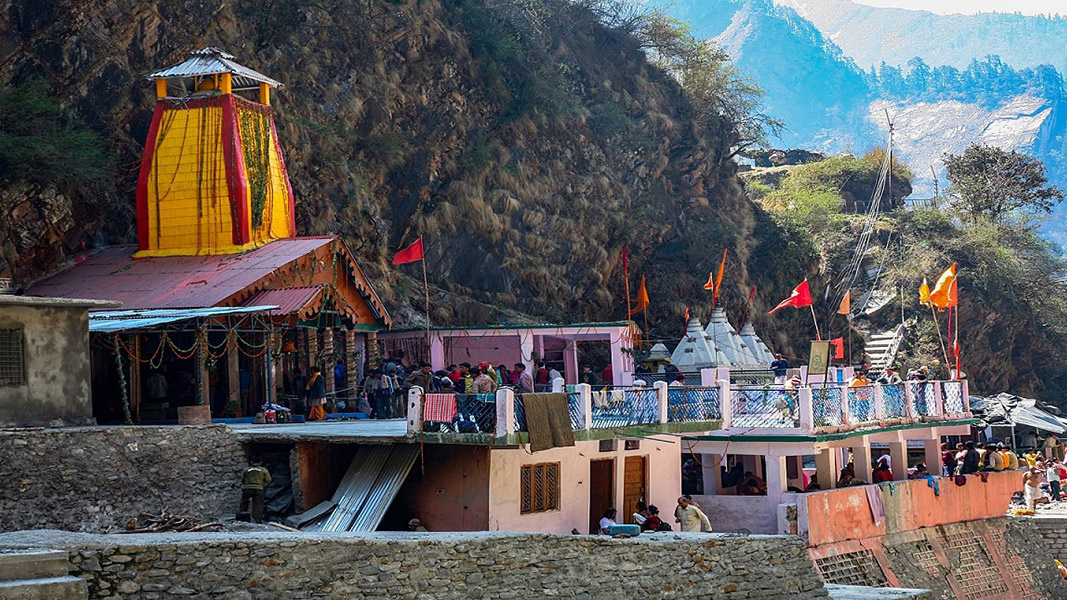
The sacred river Yamuna, was the sister of Yama, the god of death. Yamuna, in her human form, performed rigorous penance to attain purity and seek salvation. Impressed by her devotion, Lord Yama granted her a boon that she would be worshipped as a goddess and her water would have the power to cleanse sins and grant liberation. Yamunotri is the place where Yamuna descended from heaven, making it a revered pilgrimage site for devotees seeking spiritual purification and blessings from the goddess Yamuna.
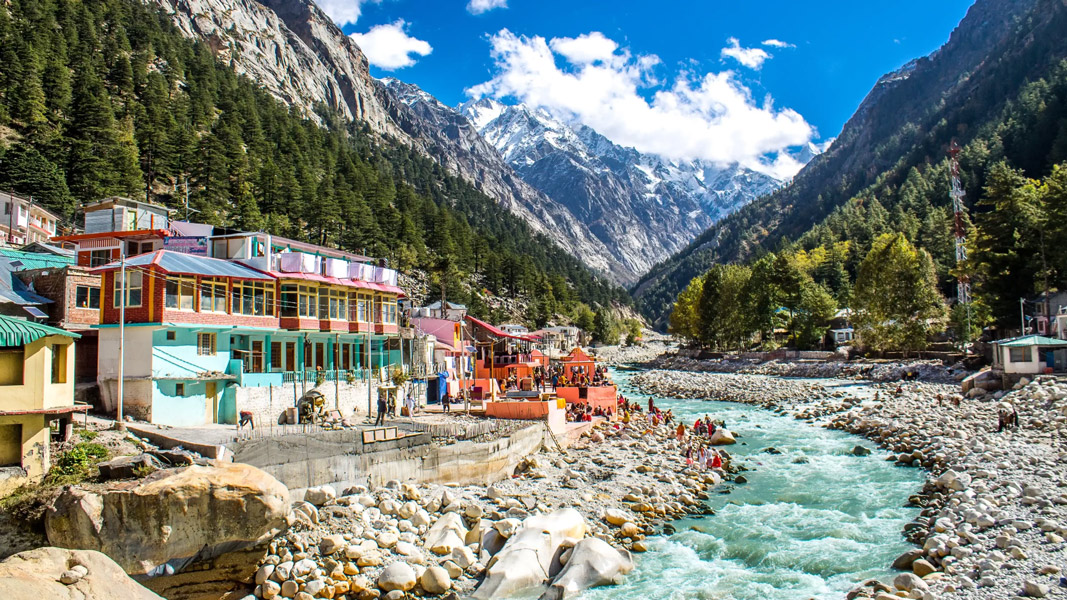
King Bhagiratha, troubled by his ancestors' unrested souls, sought Sage Kapila's counsel. Kapila revealed Ganga's purifying nature, explaining that it originated when Lord Vishnu's step cracked the universe's wall. Bhagiratha prayed for Ganga to descend but feared her ferocity. Lord Shiva intervened, cradling Ganga in his hair, ensuring her gentle descent to Earth, with Gangotri marking her sacred origin.
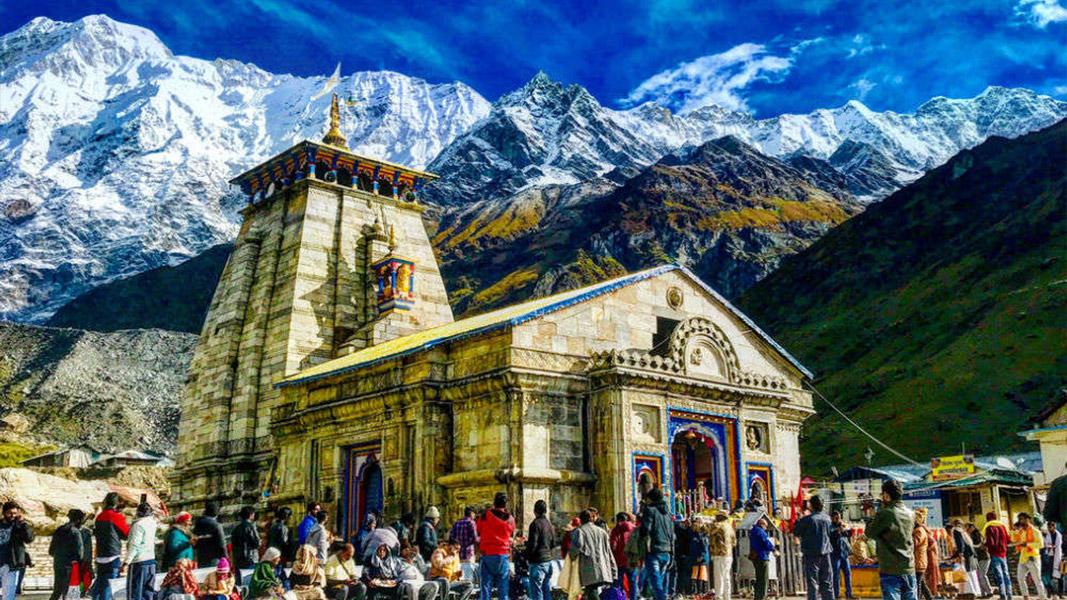
After the Kurukshetra War, the Pandavas sought Lord Shiva's forgiveness. Lord Shiva, unwilling to meet them, transformed into a bull and took shelter in Kedarnath. When the Pandavas discovered him, the bull's body split into different parts, forming the Panch Kedar. Kedarnath is believed to be the place where the bull's hump appeared, making it a revered shrine dedicated to Lord Shiva.
The sanctity and tranquil ambiance of Kedarnath offer devotees a profound and transformative experience.
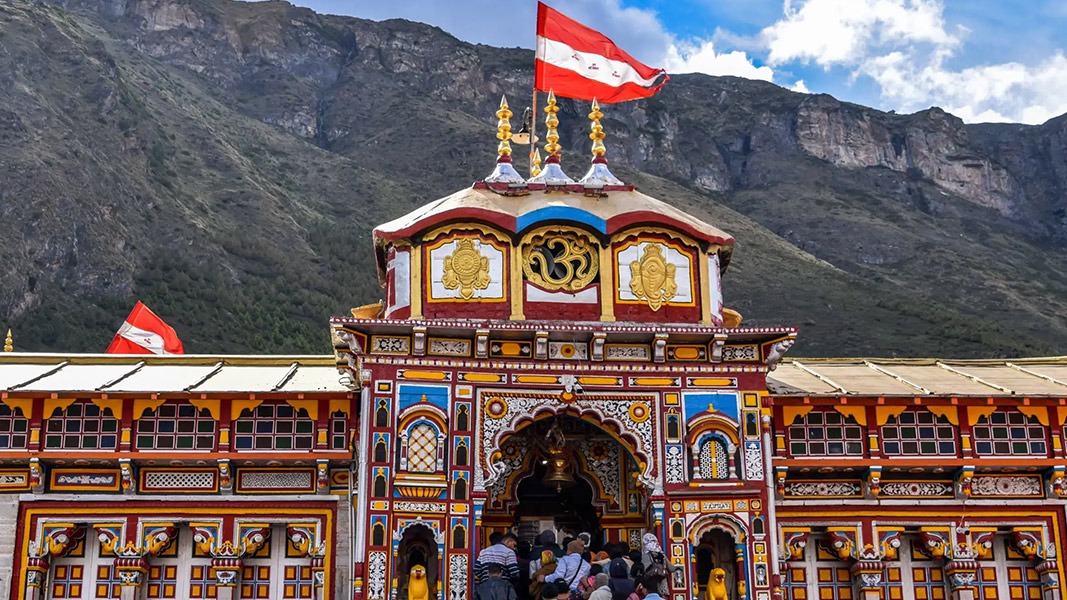
Lord Vishnu, in the form of Badrinarayan, was meditating in the region. The story goes that Goddess Lakshmi was concerned about his austerities and decided to protect him. Taking the form of a Badri tree (Indian mulberry), she provided shade and shelter to Lord Vishnu. Impressed by her devotion, Lord Vishnu named the place "Badrivan," meaning "forest of Badri." The divine aura and sacredness of Badrinath continue to be associated with this event, making it a highly revered pilgrimage site for Lord Vishnu's devotees.